The Importance of Mindfulness for Kids and 10 Fun Activities to Foster It

You want your child to grow up confident, calm, and able to handle life’s ups and downs. Teaching mindfulness can help you achieve that. Mindfulness is more than just a buzzword; it’s a skill that helps kids focus, manage emotions, and develop positive behaviour. When you practice mindful parenting, you create a supportive environment where your child learns to be present and kind to themselves through positive self talk. This is especially valuable for tweens and teens, who face many challenges as they grow.
This post explains why mindfulness matters for kids and shares 10 easy, fun activities you can do together to build a mindful lifestyle in your family.
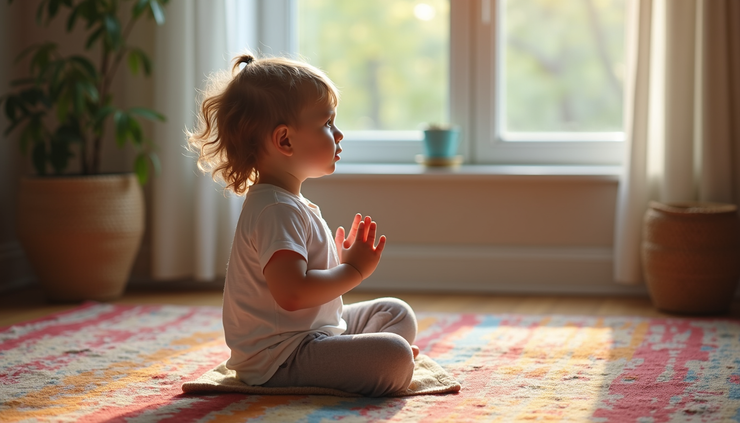
Why Mindfulness Matters for Kids
Kids today juggle school, social pressures, and screen time, which can lead to stress and distraction. Mindfulness teaches them to slow down and notice their thoughts and feelings without judgment. This helps improve attention, reduce anxiety, and encourage positive behaviour.
When you use mindful parenting techniques, you model calmness and patience, which your child picks up naturally. This creates a cycle of understanding and respect. For tweens and teens, mindfulness supports emotional regulation during a time of rapid change. It also encourages positive self talk, helping them build confidence and resilience.
Research shows that children who practice mindfulness regularly perform better academically and have fewer behavioural problems. They also develop empathy and stronger relationships with family and friends.
10 Easy Mindfulness Activities for Kids
Here are simple activities you can try at home or on the go. These exercises don’t require special equipment and can fit into your daily routine.
1. Mindful Breathing
Teach your child to focus on their breath. Have them sit comfortably, close their eyes, and take slow, deep breaths. Count to four while inhaling and exhaling. This calms the mind and body.
2. Body Scan
Guide your child to notice sensations in different parts of their body, starting from their toes up to their head. This helps them connect with their physical self and release tension.
3. Nature Walk
Take a walk outside and encourage your child to notice sounds, smells, and sights around them. Ask questions like “What do you hear?” or “What colors do you see?” This sharpens their senses and attention.
4. Mindful Eating
During a snack or meal, ask your child to eat slowly and notice the taste, texture, and smell of their food. This practice promotes gratitude and awareness.
5. Gratitude Jar
Have your child write or draw things they are thankful for on small pieces of paper. Collect them in a jar and review them together weekly. This builds a positive mindset.
6. Positive Self Talk Practice
Help your child create simple affirmations like “I am strong” or “I can handle challenges.” Encourage them to repeat these when they feel upset or doubtful. This supports emotional strength.
7. Guided Imagery
Lead your child through a calming story or visualization, such as imagining a peaceful beach or a quiet forest. This relaxes the mind and sparks creativity.
8. Mindful Coloring
Provide coloring books or blank paper and crayons. Encourage your child to focus on the colors and patterns as they color without rushing. This activity reduces stress and improves focus.
9. Balloon Breathing
Have your child pretend their belly is a balloon. As they breathe in, the balloon inflates; as they breathe out, it deflates. This fun visualization helps regulate breathing.
10. Mindful Listening
Play a sound (like a bell or chime) and ask your child to listen carefully until they can no longer hear it. This sharpens concentration and patience.
How to Make Mindfulness Part of Your Family Life
You don’t need to schedule long sessions. Short, consistent practices work best. Try to integrate mindfulness into daily routines like bedtime, mealtime, or before homework. Use positive parenting strategies by praising your child’s efforts and sharing your own mindfulness moments.
Remember, mindfulness is a skill that grows with practice. Your calm example and encouragement will help your child develop a mindful lifestyle that supports their wellbeing now and in the future.
Free Download: Mindfulness Journal For Kids
Looking for a simple way to help your child develop resilient and positive self-talk.
We've created a beautiful FREE "Mindfulness Journal for kids" printable that parents can use at home.
Benefits for Children
✔ Improves emotional awareness and self-regulation
✔ Reduces stress, worries, and anxiety
✔ Encourages mindfulness and present-moment focus
✔ Develops healthy coping strategies
✔ Strengthens resilience and problem-solving skills
✔ Promotes gratitude and positive thinking
👉 Download Your Free Copy Here https://www.askshobhana.com/product-page/mindfulness-journal-for-kids


Comments